Every wholesale trade counts its stock a little differently.
A roll of drip line, a brake pad set and a case of clamshells look nothing alike on a shelf, and they should not look alike in your inventory system either. These are the five kinds of distributor we work with most, the problems each tends to bring to the assessment, and what we usually configure in response. Your own operation will have its quirks; this is the starting point, not the template.

Irrigation and agricultural supply
What usually comes up
Seasonal demand that spikes before planting and collapses after harvest. Products sold by the roll, the foot, the box and the each, sometimes all four for the same item. Contractor accounts on their own price tier, job-based orders that ship in pieces, and growers who call in at dawn.
How we set it up
We build unit-of-measure conversions so a 500-foot roll of drip tubing can be sold whole or by the foot without breaking the stock count, and we set reorder points by season rather than a single year-round minimum. Contractor and grower price lists are separated, backorders are allowed on job orders, and partial shipments carry through to partial invoices in QuickBooks Online.
Auto parts
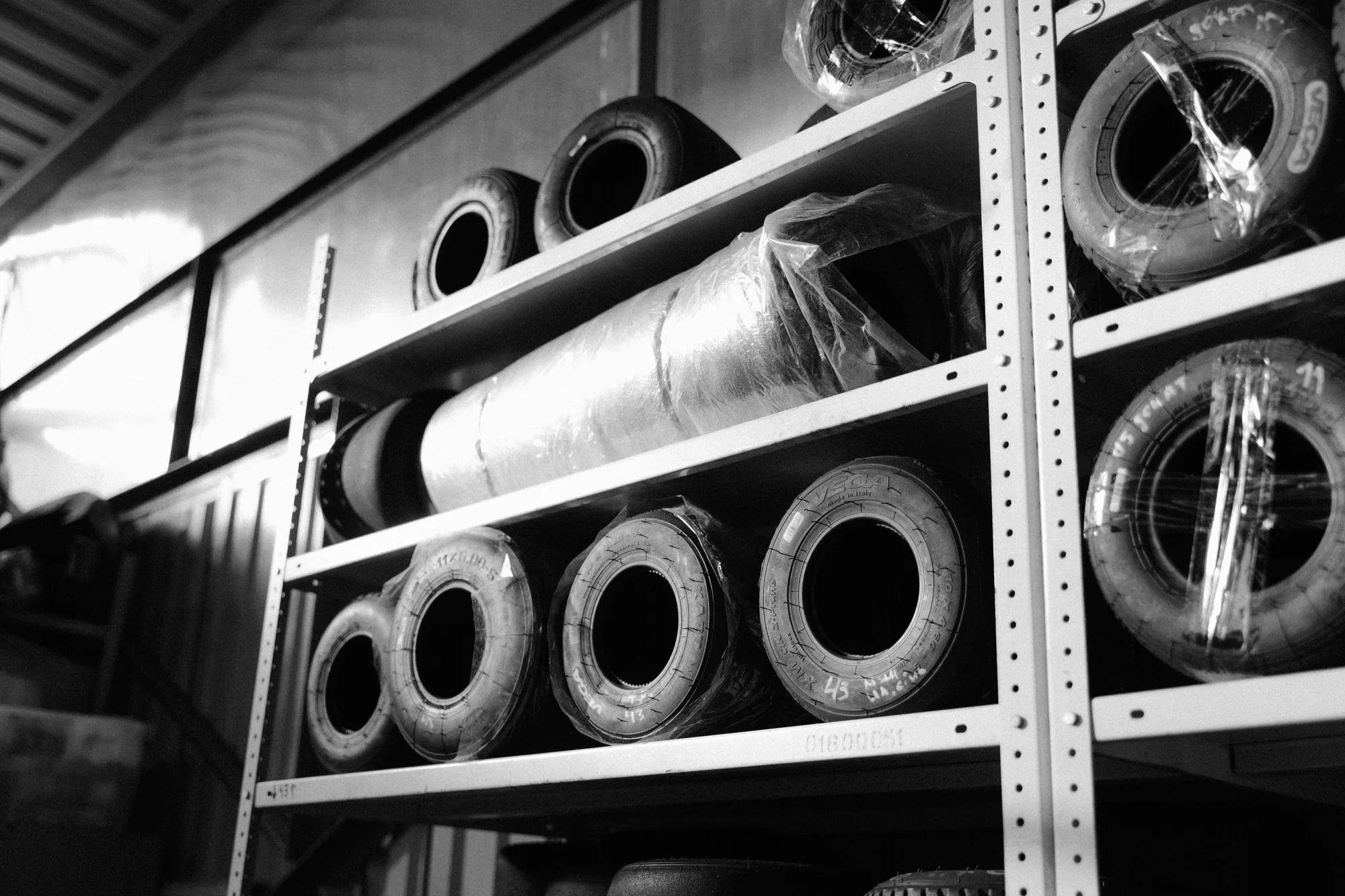
What usually comes up
Thousands of SKUs with near-identical descriptions, supersessions and cross-references, core charges on returnable parts, and shop customers who expect the counter to know within seconds whether a part is in the building or at the other location.
How we set it up
Data cleanup carries more weight here than anywhere: we merge duplicates, standardize part numbers and keep manufacturer numbers searchable. We configure multiple locations with transfer orders, serial tracking where warranties need it, and core charges as separate line items so they reconcile in QuickBooks Online. Counter staff are trained to look up stock from the sales screen or from the CRM record.
Janitorial and cleaning supplies
What usually comes up
Chemicals with lot numbers and safety data, consumables sold by the case but counted by the each, and recurring orders from facilities managers and building service contractors who buy the same list every month.
How we set it up
We enable lot tracking for chemical products so a recalled batch can be traced to the customers who received it, set case-and-each conversions, and save repeat orders as templates or recurring sales orders where the platform supports them. Contract pricing for large accounts lives in its own price list, so reps stop overriding prices by hand.
Foodservice packaging
What usually comes up
Bulky, low-margin goods where a counting error costs real money, cases inside pallets, restaurant customers with frequent small orders, and a few large accounts with their own item lists and delivery days.
How we set it up
We map pallet, case and sleeve units, assign bins so pickers can find bulky stock quickly, and design pick lists ordered by location. Delivery routes and days are recorded on the customer, and we connect a shipping tool such as ShipStation where parcels and LTL freight are both in play.
Pet supplies
What usually comes up
Food and treats with expiration dates and lot codes, a long tail of accessories, independent pet stores on tiered pricing, and frequent vendor promotions that change cost and sell price at the same time.
How we set it up
We set up batch tracking with expiry so the oldest stock picks first, use price lists per store tier, and train purchasing on reorder points and vendor bills. Sales reps working from Zoho CRM or HubSpot see available stock before quoting a promotion.
Not on this list?
If you sell physical goods to other businesses from a warehouse in California, the work is probably familiar to us: plumbing and electrical supply, industrial MRO and beverage distribution share most of the same mechanics. What we do not take on is retail e-commerce. Tell us what you sell and how orders reach you, and we will say honestly whether we are a good fit.